
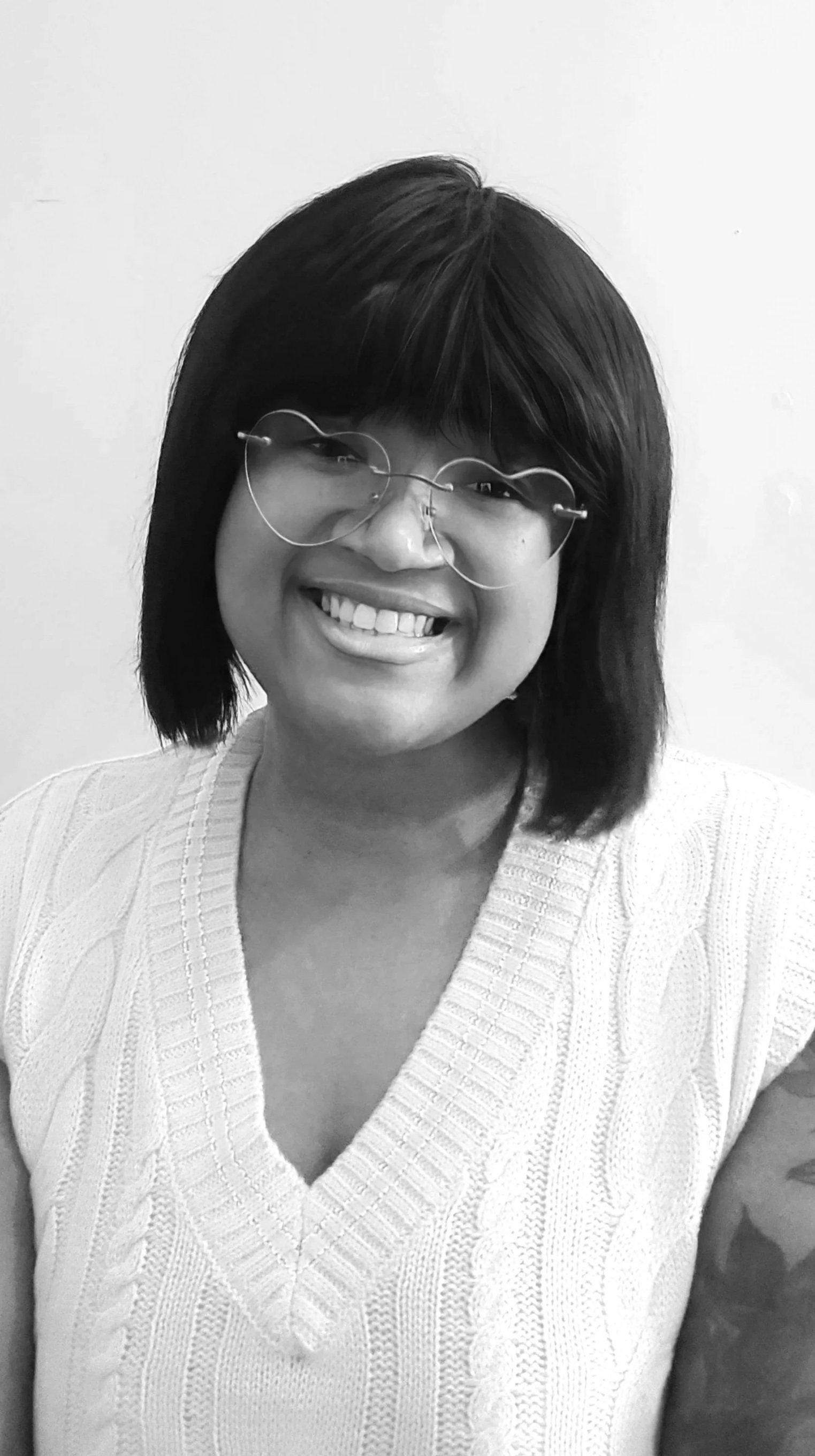
I am Tiffany Jones.
Art Therapy Graduate Student
Artist
Developing Clinician
Completing my Master of Science in Art Therapy and Counseling (anticipated December 2026)
-
Many people know art as a hobby, but not as a clinical mental health practice.
The goals of Art therapy are diverse and individual and may include supporting emotional expression, developing coping skills, and improved functioning for participants. Art-making can help people explore experiences and feelings that may be difficult to express in words, and it engages many parts of the brain like those involved with trauma processing, memory, and emotional regulation.
It’s important to know that Art Therapy is a regulated clinical profession. To become an Art Therapist, one must earn a master’s degree, complete extensive clinical supervision, and comply with professional standards. Art Therapists are licensed mental health clinicians and hold credentials.
In sessions, you can expect a combination of verbal counseling and art-based interventions, tailored to your comfort level and treatment goals. No art experience is not required — the focus is on the therapeutic process, not the product.
My Philosophy
-
in holistic, humanistic framework that integrates Person-Centered, Existential, and Adlerian approaches. I believe that individuals have the inherent capacity for growth, healing, and self-awareness. These capacities are able to be freely explored when one is provided a safe, authentic, and empathic environment. My role as a therapist is not to fix, direct, save, or help, but to join the client as a witness in their exploration of their experience and relationship with freedom, choice, responsibility, and authenticity.
-
Being genuine is my priority. I strive to create a space where clients feel seen, heard, and accepted for being themselves. Through this foundation, clients are empowered to access their own strengths, resources, and move toward greater self-awareness.
-
I view art therapy as a resource for exploring and becoming comfortable with our challenges and anxieties. In fact it is a way of doing so beyond the limits of language. The creative process allows clients to externalize internal struggles, confront anxiety, and engage in meaning-making in ways that is personal and transformative.
-
As individuals we exists within the context of our social systems, early experiences, and sense of belonging. I am attentive to how lifestyle patterns, beliefs, and relational dynamics shape a client's worldview and coping strategies. I seek to foster encouragement, resilience, and a genuine sense of connectedness, supporting clients in redefining their narratives and developing a stronger sense of purpose and agency.
-
Art is the vehicle through which a client accesses emotions, process trauma, and reconstructs identity. Using art as a mechanism for growth is safe and empowering. My work is trauma-informed, culturally responsive, and strengths-based, recognizing the impact of systemic and relational factors on mental health.
Artist Statement
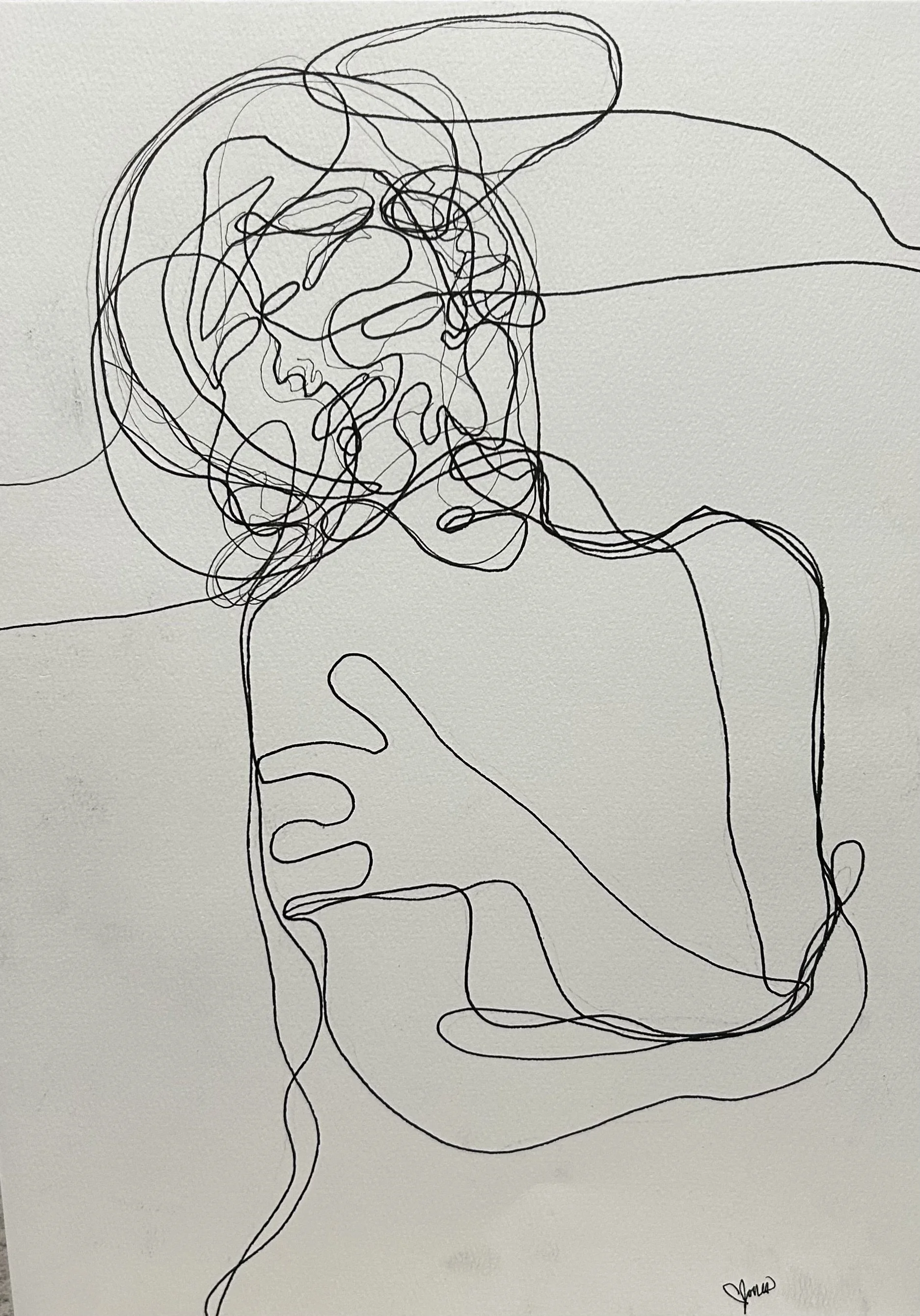
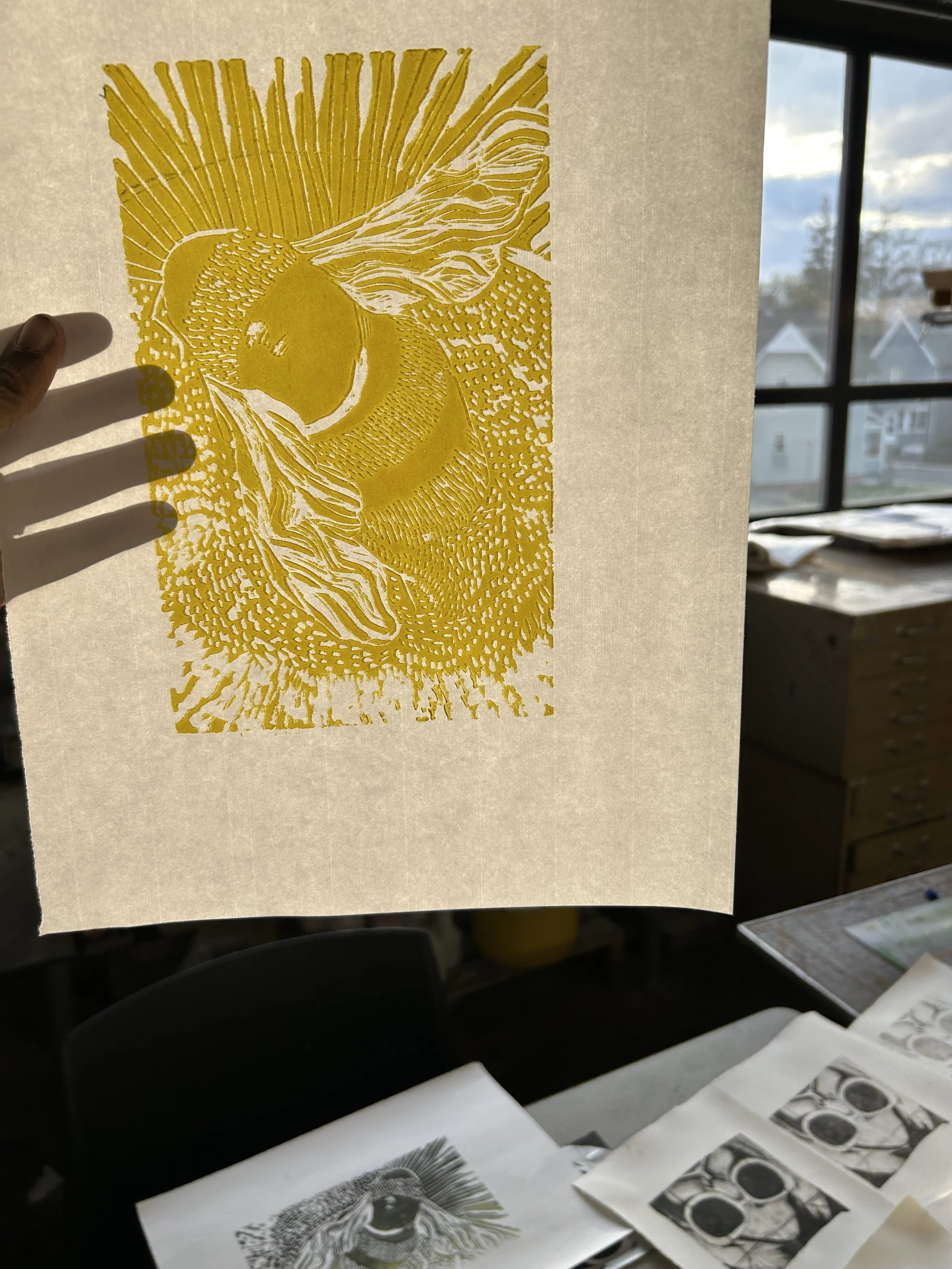
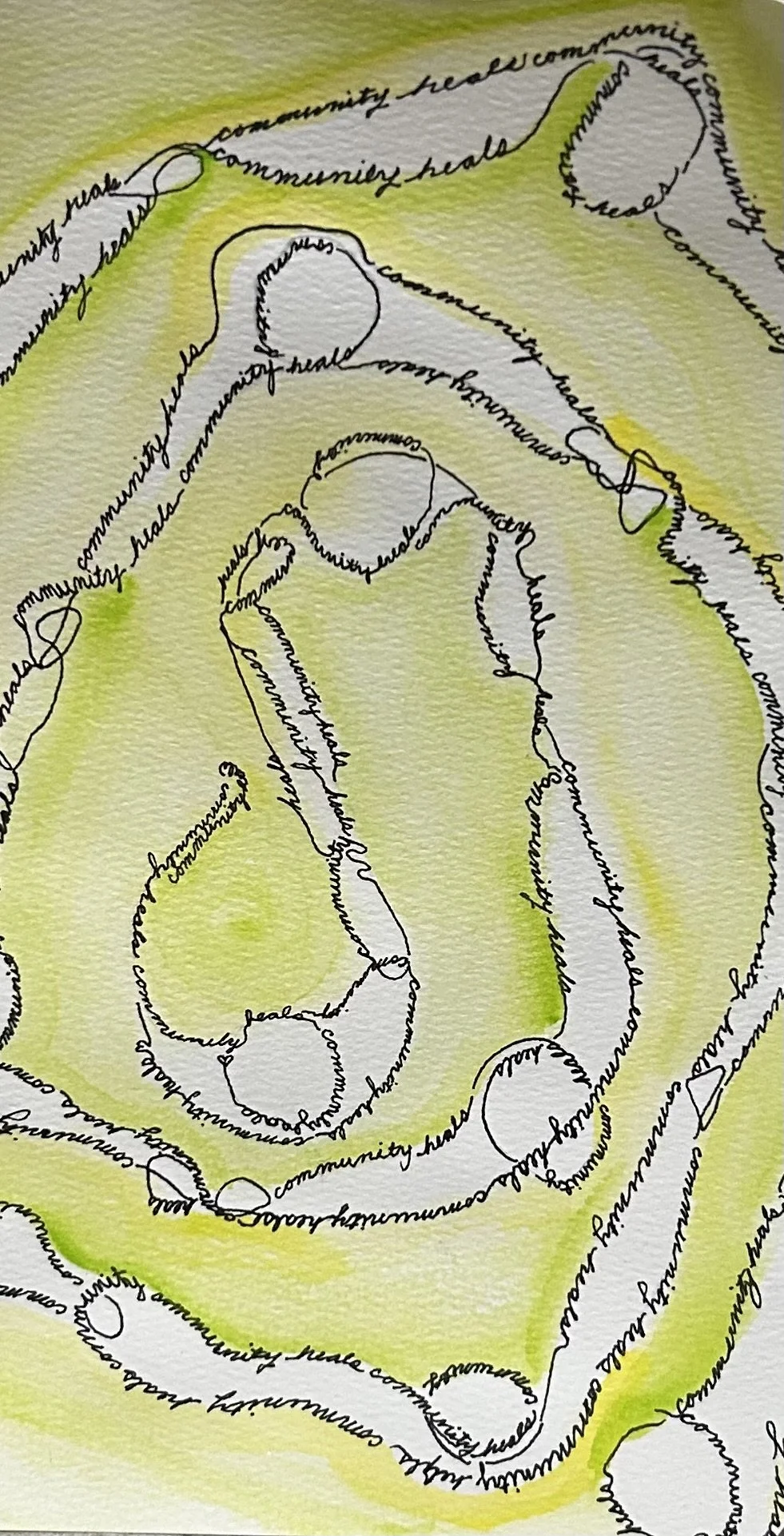
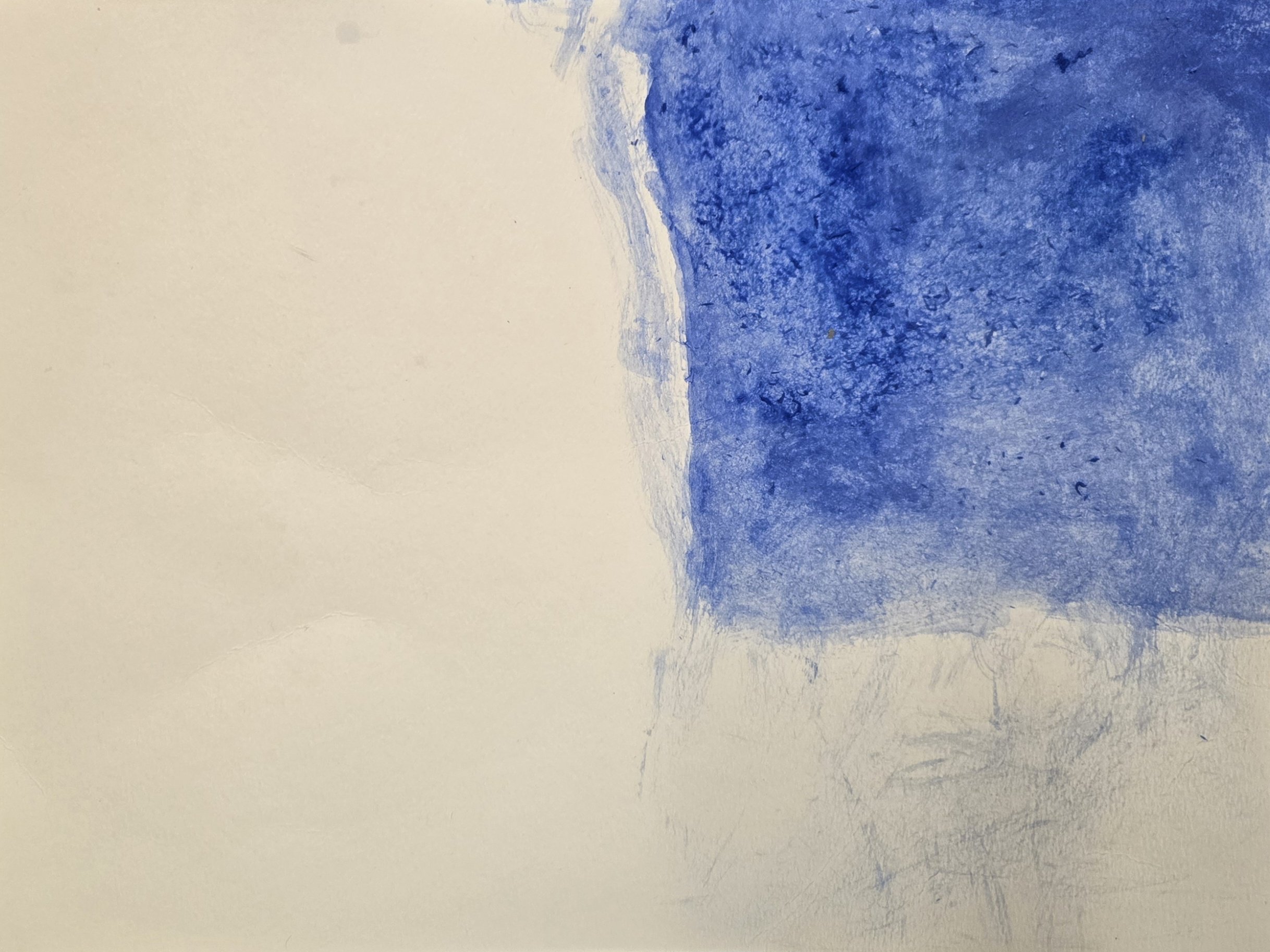
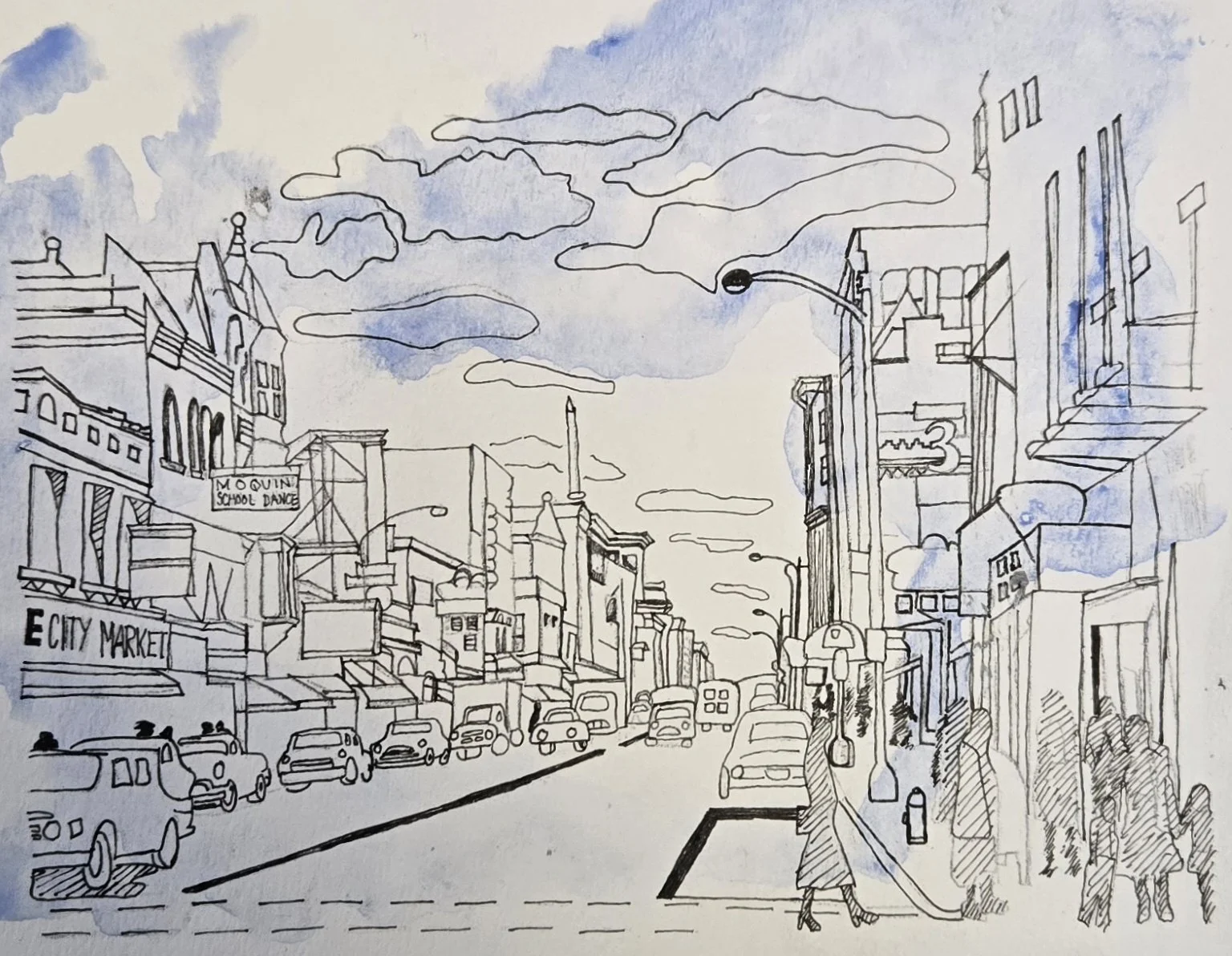
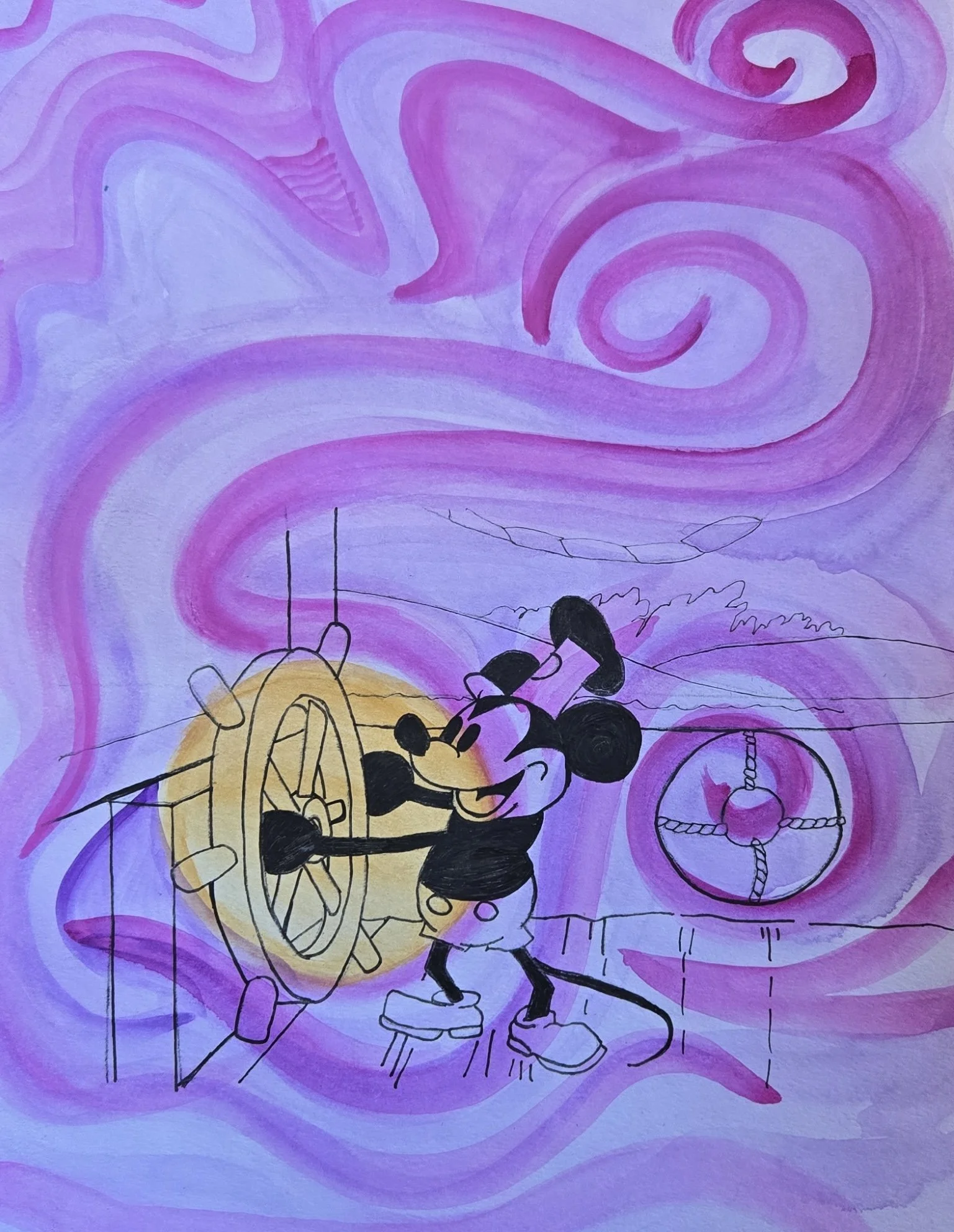
My artwork is a visual display of my inner world. I express my emotions, thoughts, and experiences into form - creating a bridge between what is felt internally and what can be seen, held, and understood externally. The creative arts have always been my greatest resource in expressing myself, of making sense of what is happening within me, and of sharing that experience beyond myself.
At the core of my practice is choice. Each line, color, or shape is an intentional or intuitive decision that reflects my relationship with freedom, responsibility, and becoming. I create as an active participant in shaping my experience. Through art, I encounter myself, and through that process, I move toward greater freedom and self-awareness.
My process is rooted in exploration and presence. I move between spontaneity and intention, fluidity and structure, expectation and acceptance. I create as a way to navigate and regulate my emotional world. Transforming what may feel heavy, engraved, or stagnant internally into something that I can witness, shape, and move through externally.
I use a variety of materials. My specific interests shift based on the season of life I am in. Currently, I prefer to work with oil paint sticks. I have always loved drawing. However, the versatility, color, variable texture, ability to handle like a drawing material, pliable, and adaptable nature of this media interest me most at the moment.
Client Vignette: TheodoreTheodore identifies as 76-year-old white, Christian male residing in a long-term care facility in Western Massachusetts. He presents with a complex medical and psychiatric history, including chronic schizoaffective disorder (bipolar type), depressive disorder, and what is now most accurately understood as a major neurocognitive disorder. His cognitive decline is likely multifactorial, with contributions from an earlier cerebrovascular accident (CVA) in 1988 and additional neurological conditions noted in his medical history.
Theodore’s level of functioning varies significantly from day to day. During art therapy sessions, he often demonstrates impairments in attention, processing speed, and working memory. At times, he is able to engage meaningfully in art-making; at other times, he becomes preoccupied with materials within five to ten minutes of beginning a task. For example, he may fixate on peeling the paper off crayons rather than using them, requiring gentle redirection and reminders of the task at hand. These fluctuations are consistent with symptoms of major neurocognitive disorder, particularly deficits in short-term memory and executive functioning.
His memory impairments extend beyond task engagement. Theodore frequently struggles to recall both recent and long-term information, including significant life events. He also has difficulty remembering how to use art materials from session to session. When working with watercolor paints, for instance, he may forget to wet the brush before attempting to apply pigment. Orientation is similarly impacted: while he consistently identifies himself by name, he often cannot accurately state the date, time, or his current location.
Communication presents an additional challenge. Theodore experiences aphasia, which affects his ability to express himself verbally. Much of his speech consists of one-word responses or fragmented, sometimes mispronounced phrases. There are moments when he is able to communicate more fully, though his speech may remain disorganized. In response, I adapted my communication style by speaking slowly, allowing time for delayed responses, and prioritizing patience and presence in our interactions.
Theodore’s loss of independence has been profound. Following his CVA, he was no longer able to live independently and resided with his sister until her death around 2019–2020. Afterward, he transitioned into long-term care. His history includes a prior living situation in which he experienced abuse and financial exploitation by a roommate. Currently, he requires assistance with most activities of daily living, including feeding, dressing, and managing finances.
Emotionally, Theodore’s records indicate periods of anger and distress, sometimes expressed through yelling or attempts to leave his wheelchair unsafely. He also experiences fear related to the loss of autonomy and independence. While depressive symptoms have been noted in his chart, I did not observe a consistent pattern of depressive presentation during my time working with him. His affect and engagement appeared more variable and situational, often influenced by his physical health and daily functioning.
Despite these challenges, Theodore demonstrates a strong and enduring motivation for art-making. Staff report that he frequently chooses to sit at a table where art supplies are available during his free time. In sessions, he often expresses satisfaction with his work, once stating that he was doing “all an artist could do.” These moments highlight a preserved sense of identity, purpose, and intrinsic motivation.
Theodore was referred to art therapy to enhance his quality of life, support social engagement, and maintain cognitive and motor functioning for as long as possible. Given his prognosis, the focus of treatment is not recovery, but preservation, meaning-making, and emotional support.
Our work together emphasized relational connection over clinical analysis. I found that Theodore benefited most from presence, conversation, and shared creative experience rather than directive or interpretive interventions. Strengths-based and process-oriented approaches were particularly effective, allowing him to engage in art for its own sake while reinforcing autonomy and self-expression.
Several meaningful moments stand out from our sessions. Theodore shared details about his past, including his role as a decontamination specialist in the military, which he affirmed when reflected back to him. He appeared to recognize or intuit my own veteran status, responding without surprise when it was disclosed. In later sessions, he maintained eye contact when we discussed termination, suggesting an awareness of the relational significance of our work. He also engaged with music, sang along during sessions, wrote words, and offered a final goodbye in Spanish—small but powerful indicators of connection and expression.
My treatment approach incorporated elements of the “My Life, My Story” framework, alongside music and art therapy, to support memory access and emotional engagement. Interventions focused on promoting joy, reinforcing identity, and facilitating meaningful participation through creative expression.
Through this work, I learned that therapeutic impact does not always come from interpretation or diagnosis, but from presence, patience, and shared humanity. Theodore reminded me that autonomy can be expressed in small actions, that creativity persists despite cognitive decline, and that art-making can serve as a vital source of connection, dignity, and meaning across the lifespan.

Client Vignette: BetteBette identifies as 67 years-old white American woman living in Western Massachusetts. She is married, retired, and currently serves as the primary caregiver for her husband, Earl, who is living with a progressive neurodegenerative disorder. Bette was diagnosed with depression and presents with persistent fatigue, emotional strain, and self-reported memory difficulties. Much of her current distress is rooted in the prolonged demands of caregiving and the gradual decline of her husband’s health.
Bette and Earl have been together for over three decades, having met when she was in her thirties and he in his forties. This is Bette’s second marriage, and although they do not share children, they have built a long and meaningful life together. Their shared history includes similar occupational paths and a strong relational bond that remains evident despite the challenges they now face.
The onset of Earl’s illness began nine years ago while the couple was living in Florida. In 2017, he lost his sense of smell, followed by difficulties with speech in 2018. As his condition progressed, Bette gradually assumed increasing responsibility for household management, including finances. By 2019, neurological imaging revealed abnormalities, and Earl began experiencing more significant memory impairments and difficulty completing activities of daily living. These changes marked a turning point in their relationship dynamic, shifting Bette into a full-time caregiving role.
Bette’s psychological history includes post-traumatic stress disorder stemming from experiences in early adulthood. Although she is not actively seeking treatment for PTSD, it likely contributes to her current emotional landscape, intensifying her responses to stress, loss, and prolonged caregiving demands. Her depressive symptoms appear closely tied to caregiver burnout, compounded by anticipatory grief, role strain, and the realities of aging alongside her partner.
Bette was referred to art therapy through a community health center, where she and Earl participated in recreational and rehabilitative programming such as yoga. They attended sessions together, creating a unique therapeutic context in which both individual and relational dynamics were present.
When I first met Bette and Earl, I felt both excited and uncertain, as I had limited experience working with couples. I prepared the space with two art stations, anticipating a shared creative process. Upon their arrival, they presented as warm, connected, and “in sync.” Earl, seated in his wheelchair, was assisted by Bette, who remained attentive and supportive throughout.
As the session began, I quickly realized that Bette’s goals differed from my initial expectations. Rather than focusing solely on expressive art therapy, she expressed a desire to develop illustrations to accompany her writing. She described wanting to integrate text and imagery—perhaps placing writing at the center of a page with surrounding visual elements, or embedding words within symbolic imagery such as leaves or flowers. Recognizing the importance of meeting her where she was, I adapted my approach and collaborated with her to explore materials and techniques that could support her vision.
Earl chose not to actively participate in art-making, instead expressing that he enjoyed observing his wife create. This dynamic allowed space for me to witness their relationship more closely. During the session, Earl spoke about his condition and his decreasing ability to use his hands, which limited his engagement in activities he once enjoyed. In these moments, Bette’s emotional responses became more visible. Her facial expressions reflected sadness and grief as she listened to him describe these losses. Over time, it became clear that her depression was deeply intertwined with witnessing her husband’s decline and adjusting to the ongoing changes in their lives.
Across sessions, Bette’s fatigue and emotional burden were evident. She frequently needed to reschedule due to the demands of caregiving, and at times expressed feeling overwhelmed by the intensity of her husband’s needs. Financial strain and limited external support further compounded these challenges, as the couple relied on a fixed income while navigating increasing care requirements. Bette also faced her own physical and emotional limitations related to aging, contributing to an overall sense of depletion.
Despite these obstacles, several therapeutic elements proved meaningful. Creating a space that respected both Bette’s and Earl’s autonomy was essential. In one session, I gently encouraged Earl to participate in art-making despite his hesitation due to hand tremors. Although he briefly engaged, his frustration became apparent, and Bette ultimately advocated for his choice not to continue. This moment highlighted the importance of honoring client boundaries and reinforced the need for sensitivity when encouraging participation.
Allowing Earl to remain an observer while Bette created art supported a natural and authentic interaction between them. Their conversations flowed easily, and I was able to engage with them without disrupting their dynamic. Observing their relationship revealed patterns of deep connection alongside enmeshment and dependence shaped by years of adapting to illness without sufficient external support.
Bette’s engagement in art-making emerged as a critical strength. Her interest in combining writing and visual art provided an avenue for self-expression, identity preservation, and emotional processing. I encouraged her to continue making art outside of sessions, emphasizing its value as a personal resource during times of stress.
Although our time together was brief—lasting four sessions—it is my hope that Bette experienced art as a supportive and accessible outlet. The work we did may have helped her reconnect with a sense of creativity and agency within the constraints of her caregiving role.
My treatment approach focused on supporting Bette through ongoing grief, role transitions, and caregiver fatigue. Interventions emphasized process-oriented art-making, validation of her emotional experience, and reinforcement of her autonomy and identity beyond caregiving.
Working with Bette deepened my understanding of the emotional complexity of caregiving relationships. I learned the importance of flexibility, of meeting clients where they are rather than where I expect them to be, and of recognizing art-making as both a therapeutic tool and a sustaining life resource. This experience also highlighted the importance of respecting relational dynamics, honoring boundaries, and holding space for grief that is ongoing rather than resolved.
Ultimately, Bette’s story reflects the intersection of love, loss, resilience, and exhaustion. Through art therapy, even briefly, there was space for her to reconnect with herself—not only as a caregiver, but as a creator.
-
![]()
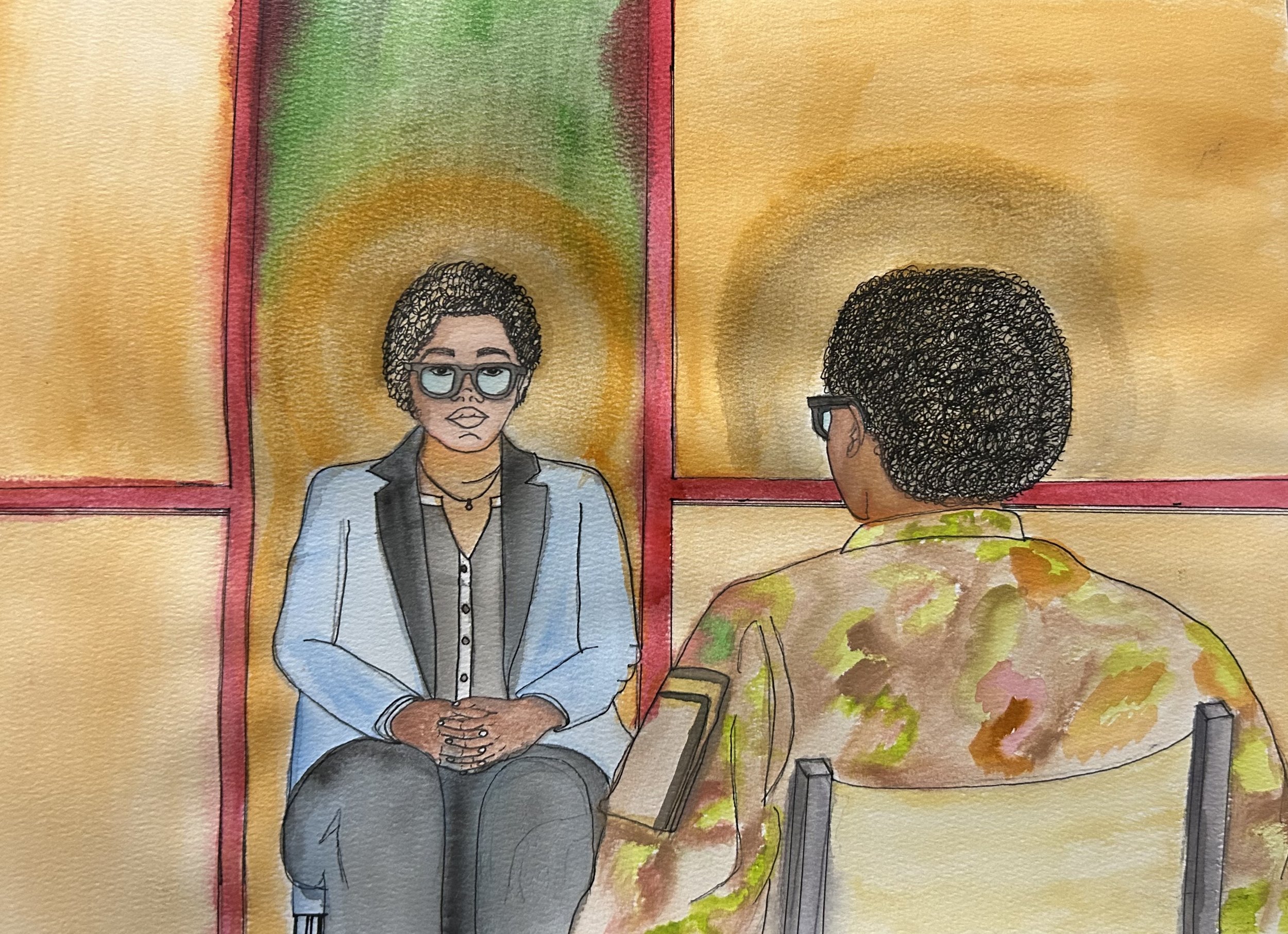
Exploring Transference and Countertransference
-
![]()
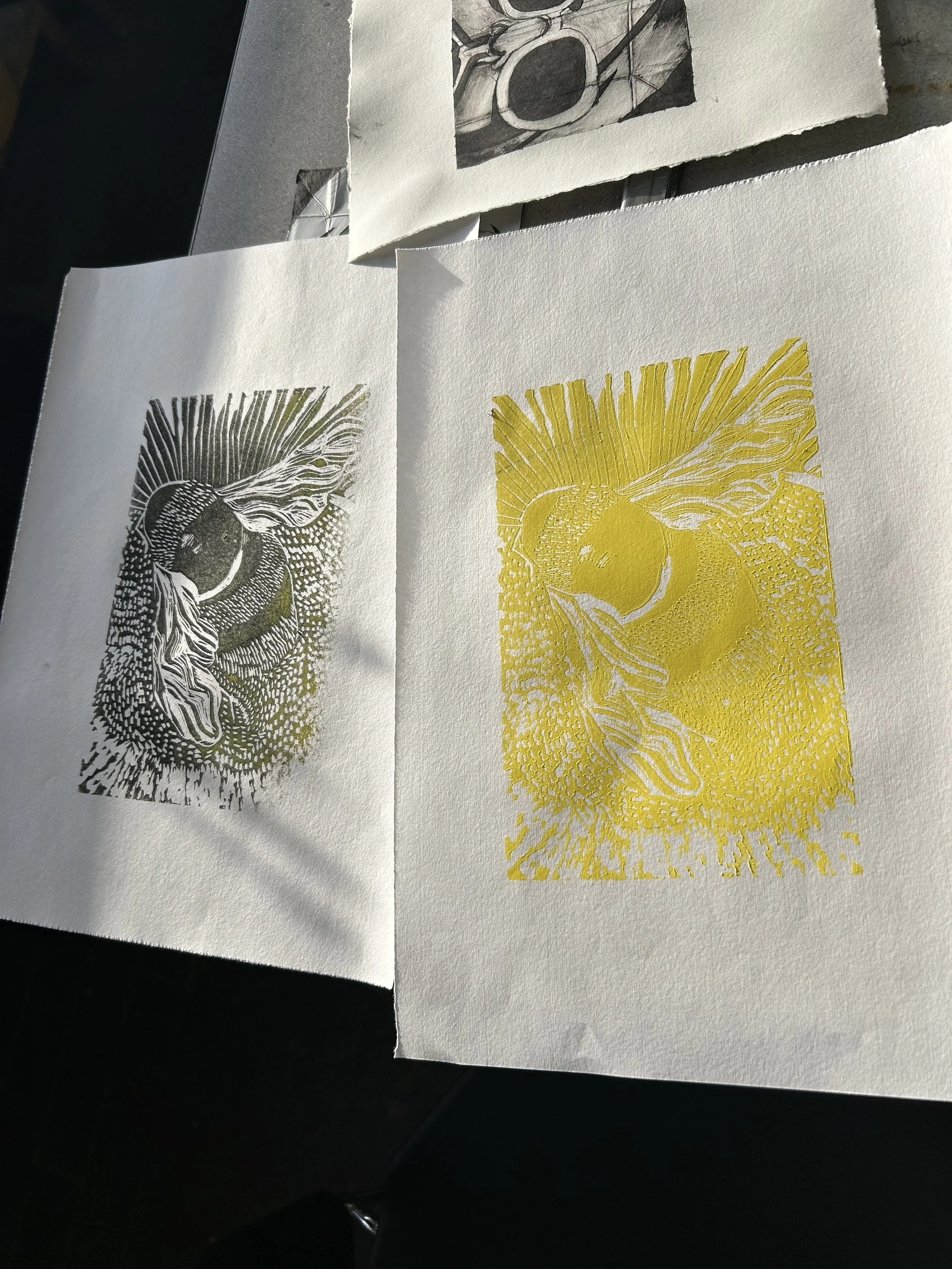
Printmaking for Art Therapists
-
![]()
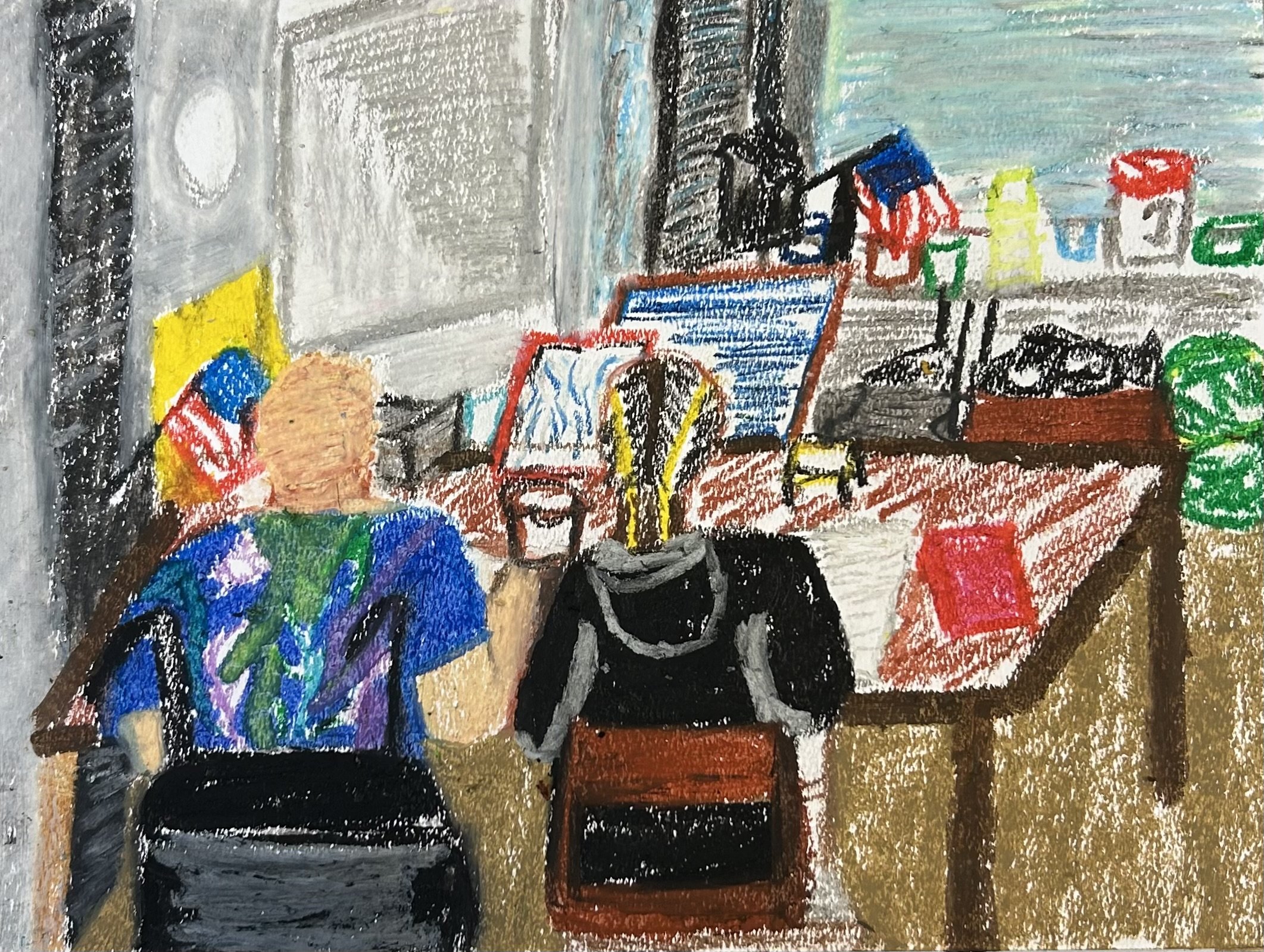
Final Session with Theodore
-
![]()
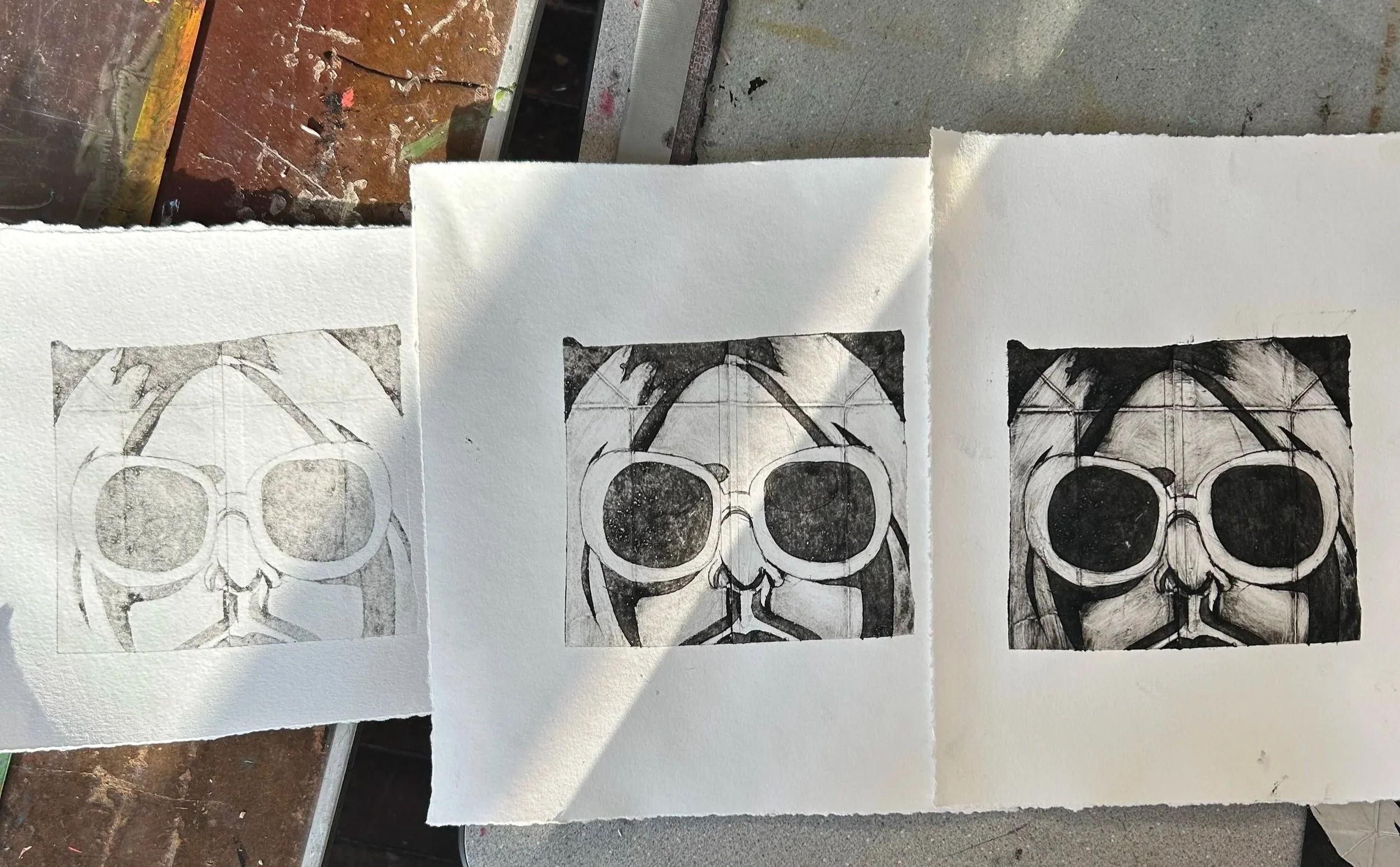
Prinkmaking for Art Therapists
-
![]()
Group Art Therapy
-
![]()
Printmaking for Art Therapists
-
![]()
Group Art Therapy